
NEW JERSEY — With the fall sports season approaching, the New Jersey Speech-Hearing Association is urging athletes, coaches, band members and spectators to take precautions against potentially permanent hearing damage caused by loud sporting environments.
Dr. Robert M. DiSogra, an audiologist and life member of NJSHA, said protecting hearing at games and practices can be as simple as wearing earplugs.
Noise-induced hearing loss is permanent, cumulative and preventable, according to NJSHA. Unlike injuries that may be immediately noticeable, hearing loss can develop over weeks or months of repeated exposure to high noise levels.

Crowd noise at college or professional football games can exceed 130 decibels, above the 120-decibel threshold of pain, according to NJSHA. Indoor arenas typically reach 85 to 110 decibels during play, with crowd noise potentially exceeding 130 decibels.
The level of risk can vary depending on the environment. DiSogra said outdoor sports without amplified sound or dense crowds, including high school games, generally present less risk.
Marching bands can produce sound levels of about 100 decibels on the field, with percussion and brass instruments reaching peaks of 95 to 122 decibels. According to the Centers for Disease Control and Prevention information cited by NJSHA, those levels can pose a risk of hearing damage within minutes.
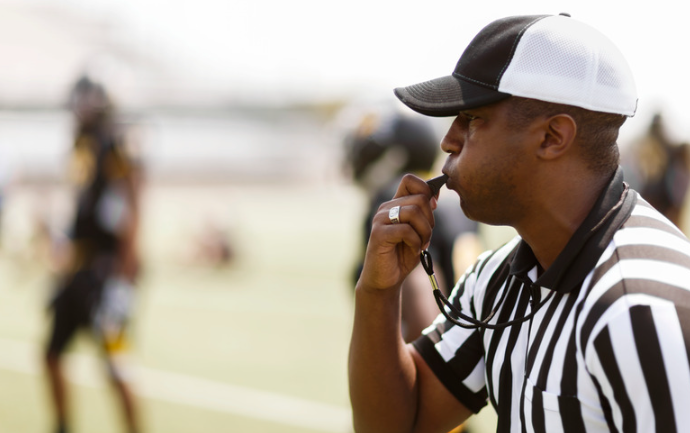
Coaches and officials may also face risks from repeated close exposure to whistles.
NJSHA said loud, enclosed and amplified environments present particular concerns. Arrowhead Stadium in Kansas City, Missouri, which hosted four World Cup matches this summer, holds the world record for the loudest recorded crowd roar at 142.2 decibels.
Hearing protection does not have to be expensive or elaborate, according to NJSHA. Earplugs designed for musicians and athletes can reduce harmful sound levels while still allowing users to hear conversations, coaching instructions and game calls.
Indoor venues such as hockey arenas can trap and amplify sound, DiSogra said, making hearing protection advisable. Traditional solid earplugs can also be used.
Audiologists can provide custom-made hearing protection for children and adults. Over-the-counter hearing protection carries a Noise Reduction Rating showing how many decibels it blocks. NJSHA said an NRR of 25 or higher is recommended regardless of whether the protection is custom-made or an over-the-counter insert, plug or earmuff. Smaller noise-protection earmuffs are also available for children.
NJSHA recommends athletes and band members wear musicians’ earplugs during games, matches and practices. Coaches, referees and officials should use hearing protection that reduces volume without blocking speech, while statisticians, scorekeepers and sideline staff can also benefit from protection because of their repeated proximity to loud environments.
For parents and spectators, NJSHA recommends looking for over-the-counter earplugs with an NRR of 30 or higher. According to the association, an NRR of 30 in a 100-decibel environment can bring the effective loudness down to about 70 decibels.
NJSHA, which represents more than 1,100 speech-language pathologists and audiologists across New Jersey, is encouraging people involved in fall sports and marching band activities to treat hearing protection with the same seriousness as other safety equipment.


