
New Jersey Poison Control Center warns of dangerous opioid-like effects of 7-OH and kratom products

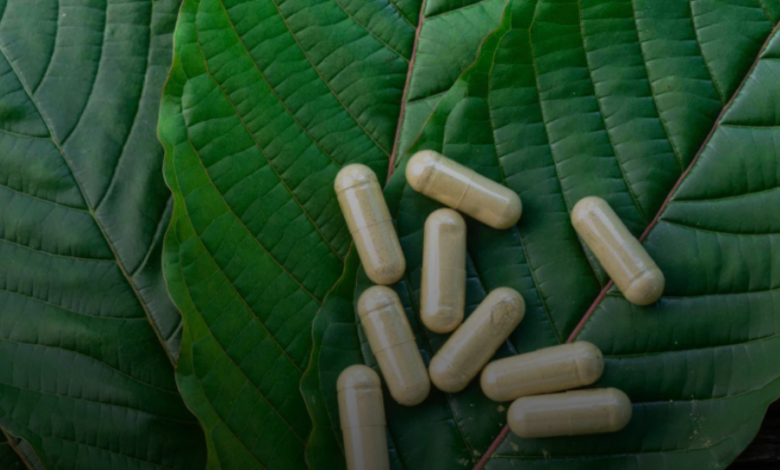
NEW JERSEY — The New Jersey Poison Control Center is warning consumers about the potentially serious health risks associated with concentrated and synthetic kratom-related products, including 7-hydroxymitragynine, commonly known as 7-OH, which are increasingly available at convenience stores, smoke shops and online retailers.
The warning comes amid growing national attention surrounding kratom and 7-OH products following recent high-profile death investigations. Health experts caution that products marketed as natural or plant-based may contain concentrated substances capable of producing opioid-like effects, including dependence, withdrawal and potentially life-threatening overdoses.
7-OH is a compound that occurs naturally in kratom, a plant native to Southeast Asia. However, the New Jersey Poison Control Center said many products currently being sold contain concentrated or synthetic forms of the substance at levels significantly higher than those naturally found in the plant.

“What concerns us is that many consumers may not realize how much the market for these products has changed,” said Diane Calello, executive and medical director of the New Jersey Poison Control Center at Rutgers New Jersey Medical School. “We’re no longer talking only about traditional kratom products. In some cases, synthetic 7-OH is being added to naturally occurring kratom products, increasing the potential for serious health consequences, including dependence, withdrawal, overdose and other medical emergencies. Consumers may not realize that these products can pose risks far greater than they expect.”
Products containing 7-OH are frequently marketed for pain relief, relaxation, increased energy or mood enhancement. Some have been described in media reports as “gas station heroin” because of their opioid-like effects and availability at everyday retail locations.
The U.S. Food and Drug Administration has warned about the dangers associated with concentrated 7-OH products, particularly those containing levels of the substance that differ substantially from naturally occurring amounts in kratom.
New Jersey takes action against synthetic kratom compounds
New Jersey officials recently moved to restrict three synthetic kratom-related compounds by designating them as controlled dangerous substances. The action is intended to address concerns about the availability and potential health risks of certain synthetic products.
However, the Poison Control Center cautioned that products purchased before the restrictions took effect may still be in circulation, potentially exposing consumers to substances with significant health risks.
Health experts also warned that individuals who regularly use kratom or 7-OH products may experience withdrawal symptoms if they suddenly reduce or stop using them. As supplies of certain products become less available, some users could face withdrawal symptoms similar to those associated with opioids.
Symptoms may include muscle aches, nausea, vomiting, diarrhea, tremors and difficulty sleeping. Anyone experiencing withdrawal symptoms is encouraged to contact the New Jersey Poison Control Center or seek medical attention at a health care facility.
“A product’s availability is not a measure of its safety,” said Bruce Ruck, managing director of the New Jersey Poison Control Center. “These products may be sold in places people visit every day, but that familiarity can create a false sense of security. The risks don’t change simply because a product is sold in a convenience store, smoke shop or online marketplace.”
Experts warn of overdose and other serious health risks
According to the Poison Control Center, concentrated 7-OH and kratom extracts may produce opioid-like effects, and product labels may not accurately identify their ingredients or concentrations. This can make it difficult for consumers to determine the strength of a product or understand the potential risks associated with taking it.
Serious adverse effects may include difficulty breathing, loss of consciousness, seizures, dependence and withdrawal symptoms. Officials emphasized that products marketed as natural, herbal or plant-based should not automatically be considered safe, particularly when their ingredients and concentrations are unclear.
The center also urged residents to keep kratom and 7-OH products securely stored and out of the sight and reach of children and pets to prevent accidental exposure.
Anyone who experiences severe symptoms after consuming these substances, including trouble breathing, seizures, passing out or difficulty waking up, requires immediate emergency medical attention. Officials advise calling 911 immediately in those situations.
Poison Control Center offers free, confidential assistance
The New Jersey Poison Control Center provides free, confidential medical guidance 24 hours a day, seven days a week to residents who may have been exposed to potentially dangerous substances.
Individuals experiencing withdrawal symptoms or those concerned about possible exposure to kratom, 7-OH or other harmful products can contact the Poison Help Line at 1-800-222-1222 to speak with a poison control specialist.
Additional information and online assistance are available through the New Jersey Poison Control Center’s website.


