New Jersey lawmakers propose ban on certain chewing gum, cosmetics and other products containing microplastics

TRENTON, N.J. — New Jersey lawmakers have introduced legislation that would prohibit the sale of certain products containing microplastics, require manufacturers to disclose their presence on product labels and provide $3 million for environmental research and enforcement.
The legislation, known as the Protecting Against Microplastics Act, was introduced in the Assembly on Sept. 14, 2026, by Assemblywomen Shama Haider, D-Bergen, and Margie Donlon, D-Monmouth. Companion legislation was introduced in the Senate on Oct. 15 and referred to the Senate Environment and Energy Committee.
Under Assembly Bill A5452, manufacturers of certain cleaning products, cosmetics, foodware and potentially ingestible products would be required to disclose the presence of intentionally added microplastics or the potential for products to generate secondary microplastics.

The bill defines microplastics as materials measuring 5 millimeters or less in diameter that are composed of synthetic polymers and chemical additives and added during manufacturing or industrial processes.
The proposal would establish a phased approach to labeling requirements and sales restrictions. Beginning one year after the legislation takes effect, manufacturers of covered products sold in New Jersey would be required to disclose intentionally added microplastics or the potential generation of secondary microplastics on exterior product labels.
Two years after the effective date, additional labeling requirements would take effect. Products containing microplastics would be required to display the warning, “This product contains microplastics,” in both English and Spanish. The warning would have to be visible and legible to consumers, including on online product listings.
Manufacturers would also be prohibited from advertising products as microplastic-free if microplastics were intentionally added during production.
Three years after the legislation takes effect, New Jersey would prohibit the sale, offering for sale or distribution of cleaning products, cosmetics and potentially ingestible products containing intentionally added microplastics or capable of generating synthetic polymer microparticles or other secondary microplastics.
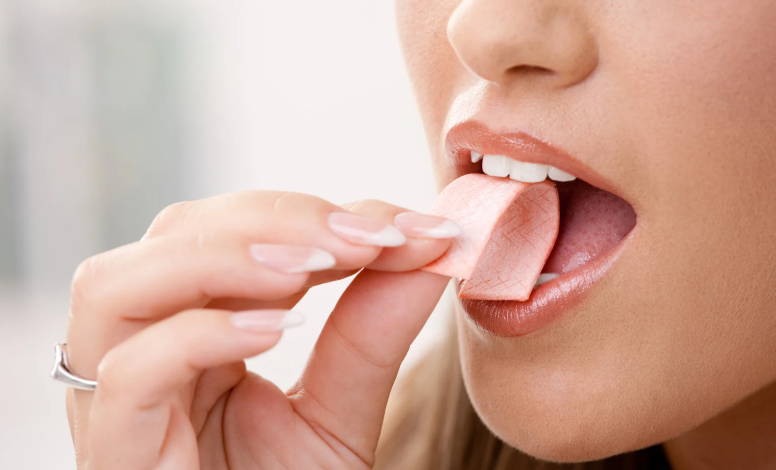
The bill identifies potentially ingestible products as including chewing gum, tea bags, coffee grounds, talcum powder and pet food. It also establishes exceptions for technically unavoidable trace amounts of microplastics resulting from manufacturing, storage, packaging or impurities in ingredients.
Certain products would be exempt from labeling requirements because of their size or lack of suitable packaging. Products containing intentionally added microplastics only in electronic or internal components would also be exempt from specified labeling provisions.
The New Jersey Division of Consumer Affairs would be responsible for enforcing the proposed requirements and would have authority to investigate and audit manufacturers. Violations could result in civil administrative penalties ranging from $1,000 to $20,000 per violation, with each day of continued noncompliance treated as a separate offense.
The legislation would also authorize court-imposed civil penalties of up to $25,000 per day for certain violations. State officials could order manufacturers to stop selling noncompliant products and notify the public about violations.
In addition to the product restrictions, the bill would require the New Jersey Department of Environmental Protection to establish a program aimed at reducing microplastics in the state’s air, water and soil.
The program would include educational resources for businesses and the public, encourage the use of safer alternatives and potentially provide grants to wastewater treatment facilities and municipalities for microplastics reduction and education initiatives.
The DEP, working with the Department of Health, would also be required to develop a comprehensive monitoring and testing plan for microplastics in air, water, soil, sediment, plants, fish and other environmental samples.
The research would examine sources of microplastic contamination, identify potential areas with elevated concentrations, evaluate environmental and health impacts, and recommend strategies to reduce exposure.
Under the proposal, the DEP would publish a statewide microplastics strategy within three years of the law taking effect and update it every two years. The department would also be required to submit reports to the governor and Legislature on the effectiveness of its microplastics reduction efforts.
The legislation would appropriate $2.5 million to the DEP, including $1.25 million for the source reduction program and $1.25 million for research, monitoring and testing. An additional $500,000 would go to the Department of Law and Public Safety for enforcement.
The proposed restrictions and requirements would not take effect unless the legislation is approved by both chambers of the Legislature and signed into law.