NJ officials urge residents to prepare for emergencies during National Preparedness Month

NEW JERSEY — New Jersey health and emergency management officials are urging residents to make emergency plans, prepare supplies and know where to find reliable information as the state recognizes National Preparedness Month.
The New Jersey Department of Health said residents can take steps throughout the year to prepare themselves and their families for emergencies ranging from home fires and power outages to flooding, extreme weather and communicable diseases. The department’s Division of Disaster Preparedness, Resiliency and Emergency Medical Services works with the New Jersey Office of Emergency Management and county and local officials on emergency preparedness efforts.
“There are everyday, commonsense steps that you can take to keep your loved ones and communities safe and healthy,” said Health Commissioner Dr. Raynard Washington. “We know that health-related emergencies—from natural disasters to communicable diseases— are not experienced evenly across our communities, and can be mitigated with preemptive and preventative measures.”

“Preparedness is a shared responsibility, and the work we do before an emergency is critical to protecting the health and safety of New Jersey residents,” said Jeanne Hengemuhle, acting superintendent of the New Jersey State Police and acting state director of emergency management. “Our state, county, and local partners work together year-round to prepare for emergencies, coordinate resources, and make sure residents have access to timely and reliable information. We encourage every New Jersey family to take those same proactive steps at home by making a plan, building an emergency kit, staying informed, and knowing where to turn for help when it is needed.”
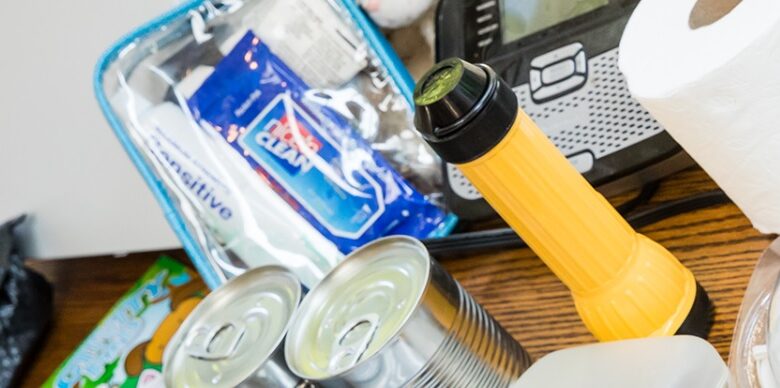
State officials recommend that families create and regularly practice emergency plans and prepare emergency kits. Residents should also keep electronic devices charged and make sure prescriptions are up to date. If an evacuation is necessary, residents should know their evacuation route and bring their emergency kit, necessary medical equipment, chargers and prescription information.
Officials also reminded residents about dangers that can arise during emergencies, including carbon monoxide exposure. Gasoline-powered engines, including generators, should not be operated inside basements, garages or other enclosed structures, even when doors or windows are open. Homes affected by flooding or heavy rain can also develop mold, including on hidden surfaces.
Residents are encouraged to sign up for emergency alerts and follow trusted local, county, state and federal agencies for warnings and other emergency information. Officials also recommend monitoring food recalls and knowing when refrigerated perishable foods should be discarded following power outages or floods.
New Jersey’s Register Ready program allows residents with disabilities or access and functional needs, as well as their families and associates, to provide confidential information to emergency response agencies to assist with disaster planning and response.
Residents who need assistance during a crisis or disaster can also contact NJ 211 for help finding resources for housing, utilities, income, food, child care and health care.