NEW JERSEY — New Jersey officials say the state’s beaches and coastal waters are in excellent condition heading into what is expected to be a busy summer tourism season fueled by Memorial Day travel, the nation’s 250th anniversary celebration and FIFA World Cup events.
Department of Environmental Protection officials highlighted beach conditions, water quality monitoring and tourism expectations during the annual State of the Shore event Thursday in Asbury Park.
“There’s nothing better than a summer at the Jersey Shore – and we’re ready,” DEP Commissioner Ed Potosnak said. “The DEP, along with our partners in local and county governments, will be hard at work throughout the season monitoring water quality as visitors create cherished memories while enjoying our beautiful coastline and lakes. We look forward to welcoming the world in this milestone year.”

Officials said New Jersey’s tourism industry generated nearly $52 billion and attracted more than 124 million visitors in 2025, with even larger crowds anticipated this year.
“The annual State of the Shore event has heralded the start of the summer tourism season in New Jersey for more than two decades,” said DEP Chief Resilience Officer Nick Angarone. “This summer promises to be a special one, so get out there and enjoy.”
The State of the Shore event is sponsored by the New Jersey Sea Grant Consortium, which partners with the state on coastal research, education and outreach initiatives.
“New Jersey Sea Grant Consortium is pleased to partner with the New Jersey Department of Environmental Protection for our annual State of the Shore event and looks forward to working with Commissioner Ed Potosnak to protect our coastline,” said New Jersey Sea Grant Consortium Executive Director Dr. Peter Rowe. “NJSGC is excited to bring in the summer season on the Jersey Shore with this event. NJSGC is proud to share this information on current and expected beach conditions for 2026 and the tropical storm outlook as well to the public and our beach communities.”
According to DEP officials, New Jersey has not experienced an ocean beach closure due to bacterial contamination since 2022.
The state’s Cooperative Coastal Monitoring Program conducts weekly bacterial testing at ocean, bay and river beaches from mid-May through September, along with daily aerial surveillance flights to monitor for water quality concerns and harmful algal blooms.
Officials said New Jersey beaches remained exceptionally clean during the 2025 season. Of 3,346 ocean water quality samples collected last year, officials issued 11 advisories and no closures due to bacteria exceedances.
“New Jersey’s beaches narrowly escaped disaster when the most memorable storm of the season – the Blizzard of 2026 – changed course, increasing snowfall totals, but minimizing the coastal erosion associated with the storm,” said Dr. Jon K. Miller of the New Jersey Sea Grant Consortium and Stevens Institute of Technology. “Thanks to this fortuitous turn of events, and what was otherwise an extraordinarily calm winter storm season, most New Jersey beaches remain in good shape heading into the summer season.”
Officials also highlighted ongoing federal and state beach replenishment projects in Monmouth and Cape May counties totaling more than $140 million.
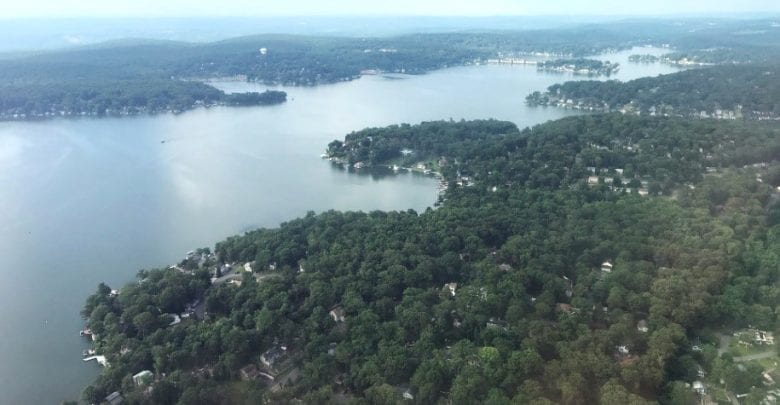
Inland lakes are also expected to be major summer destinations, including Lake Hopatcong, New Jersey’s largest lake.
“Lake Hopatcong isn’t just New Jersey’s largest lake – it’s a backyard for an entire region. Every summer, families return to its shores to swim, fish, boat, and simply exhale. That tradition is worth protecting, and it starts with the water,” said Kyle Richter, executive director of the Lake Hopatcong Foundation. “The Lake Hopatcong Foundation is proud to work alongside NJDEP to advance the science, funding, and on-the-ground projects that keep this lake healthy and open for everyone. When we invest in clean water, we invest in the communities, the local economy, and the way of life that makes inland New Jersey summers truly special.”
The DEP said harmful algal bloom monitoring has expanded statewide, including weekly aerial flyovers and deployment of continuous monitoring buoys at select lakes and reservoirs.
Beach advisories, closures and water quality information are available at njbeaches.org.