New Jersey Fish & Wildlife warns netting can trap, injure wildlife

NEW JERSEY — New Jersey Fish & Wildlife is warning residents that common types of netting used around homes, gardens and recreational areas can pose a serious threat to wildlife.
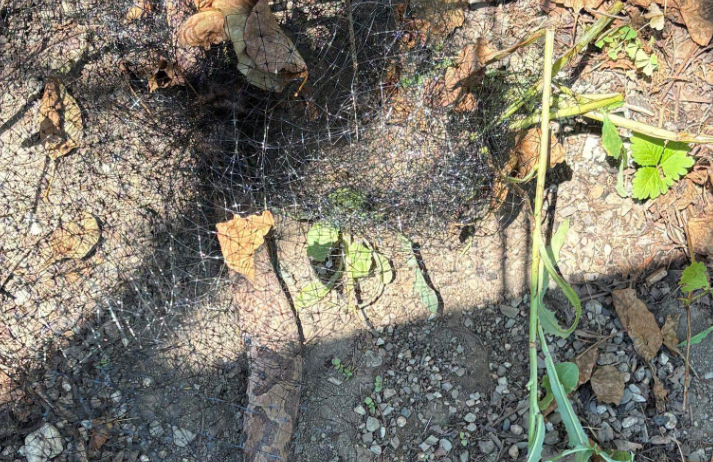
According to the agency, snakes, turtles, frogs, salamanders, birds, chipmunks and squirrels can become tangled while attempting to move through netting. Animals that struggle to escape can become more entangled and suffer serious cuts, broken bones or death.

Birds, fish and other wildlife may also swallow pieces of damaged or broken netting, potentially causing dangerous digestive problems, according to New Jersey Fish & Wildlife.

The agency said potentially hazardous materials include garden or “deer” netting; sports, golf practice and fishing nets; and soil erosion and sediment control netting, including some products labeled biodegradable that may not break down as claimed.
Chicken wire can also pose a risk. Although it is not technically netting, the thin, flexible wire can trap animals attempting to squeeze through it.
New Jersey Fish & Wildlife recommends avoiding garden netting when possible. If it must be used, residents are advised to keep the bottom about 12 inches off the ground.
Sports and recreational nets should also be lifted about 12 inches off the ground when they are not being used, the agency said. Damaged nets should never be left outdoors and should instead be properly discarded.
Residents are also encouraged to replace chicken wire with ¼-inch or ½-inch hardware cloth.
For erosion control, the agency recommends products made entirely from natural, truly biodegradable materials and netting with movable joints that may allow wildlife to escape if an animal becomes caught.
New Jersey Fish & Wildlife said taking those precautions can help prevent unnecessary injuries and deaths among the state’s wildlife.