
Delaware Water Gap National Recreation Area cracks down on speeding amid surge in wildlife collisions
19 Animals Killed in October; Increased Patrols and Speeding Enforcement Planned to Improve Safety

DELAWARE WATER GAP NATIONAL RECREATION AREA — The Delaware Water Gap National Recreation Area is addressing a troubling rise in motor vehicle collisions with wildlife, particularly on Route 209, according to the National Park Service (NPS).
In October 2024, 19 incidents resulted in the deaths of large mammals, including deer, bears, and coyotes. These collisions not only lead to a tragic loss of wildlife but also pose a significant risk to drivers, causing vehicle damage and, in many cases, serious injuries to vehicle occupants. Excessive speed has been identified as a major factor contributing to these accidents, officials said.
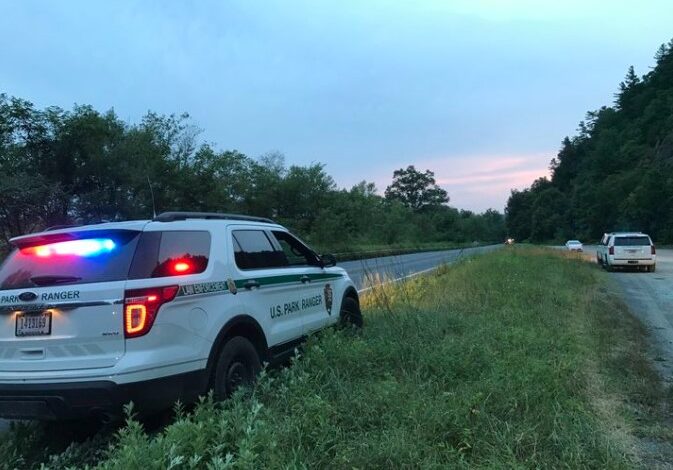
To address the issue, authorities plan to increase patrols targeting speeding on Route 209 this weekend and in the coming weeks. Drivers caught speeding will face higher citation rates than usual as part of the heightened enforcement effort.

The park emphasizes that the time saved by speeding is minimal. For example, driving the 20-mile stretch of Route 209 at 60 mph instead of the posted 45 mph limit saves only six minutes. This small time gain is not worth the potential consequences—being stopped by law enforcement will delay drivers longer, and an accident involving a large animal at high speeds could prevent drivers from reaching their destination entirely, officials warned.
The National Park Service urges drivers to slow down, prioritize safety, and appreciate the natural beauty of the Delaware Water Gap National Recreation Area (DEWA) for the benefit of both wildlife and people.


