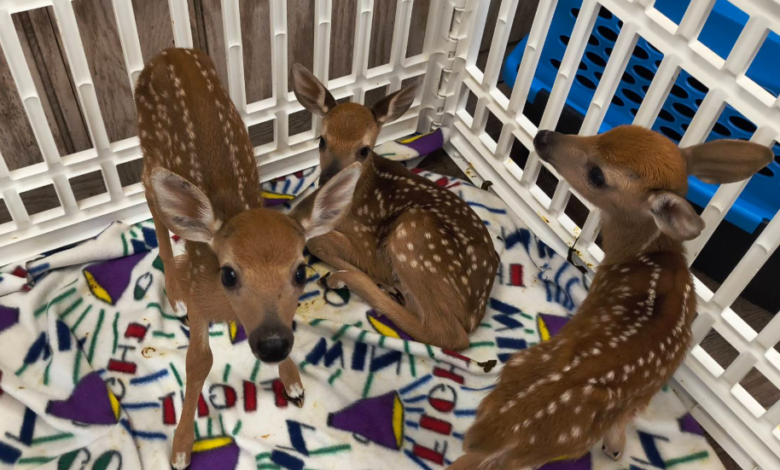
NEW JERSEY — A New Jersey wildlife rehabilitation organization is urging residents to leave young deer alone after seeing an increase in healthy fawns being unnecessarily removed from their natural habitats.
The Last Resort Wildlife Refuge issued a public appeal warning that many fawns brought to wildlife rehabilitators are not orphaned or abandoned, but were mistakenly taken by people who believed they needed help.
According to the refuge, white-tailed deer mothers often leave their fawns hidden and alone for extended periods while they forage nearby, returning when it is safe to nurse and care for them.

“Please STOP ‘RESCUING’ fawns,” the organization said in a statement. “We appreciate your good intentions and kind hearts. But every time we receive another fawn who has been kidnapped, only to arrive dehydrated, malnourished, aspirated from well-meaning attempts to feed it, or suffering from fatal capture myopathy due to excessive handling and photo opportunities…. it’s heartbreaking.”
Wildlife experts said handling healthy fawns can do more harm than good, leading to stress, injury, malnutrition and, in some cases, death.
“These precious creatures were perfectly safe and content, waiting for their mothers to return, when they were mistakenly taken from their natural habitats,” the refuge said.
The organization advised residents not to intervene if a fawn is quietly resting, appears healthy and is not showing signs of distress.
“If a fawn is peacefully resting, not crying, injured, or showing signs of distress, and you’ve not seen its mother for 12 to 24 hours, trust that mom can hear and will return when it’s safe,” the refuge said. “Your kindness in not touching or feeding it can be the greatest rescue of all.”
However, the refuge noted there are situations when intervention may be necessary. Residents should contact a licensed wildlife rehabilitator if a fawn is persistently crying, visibly injured, covered with flies, or has curled ears, which can indicate dehydration.
“Let’s give these beautiful creatures the gift of their natural freedom and the chance to thrive under the care of their loving mothers,” the organization said. “STOP, JUST STOP, and let them thrive…. We beg you, for the sake of these innocent lives…. They DO NOT need your help.”
Wildlife rehabilitators encourage anyone uncertain about a fawn’s condition to contact a licensed wildlife expert before attempting a rescue.