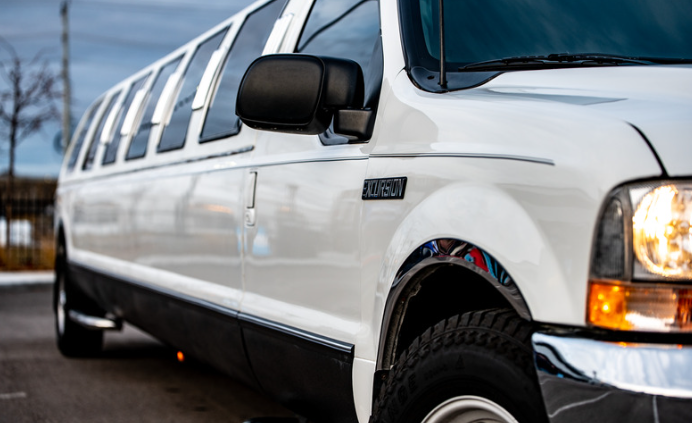
New Jersey Assembly approves bill increasing penalties for illegal limo operators

TRENTON, N.J. (AP) — The New Jersey General Assembly on Monday approved legislation that would increase penalties for illegal limousine operators accused of bypassing licensing, insurance and safety requirements.
The bill, sponsored by Assemblyman Michael Inganamort, targets unlicensed chauffeur services operating through online bookings and transporting passengers at airports, sports complexes and entertainment venues across the state.
“Legitimate limo drivers must pass criminal background checks and purchase a $1.5 million insurance policy, but illegal operators are skirting these safety regulations while also bypassing wage and tax laws. They are increasingly undermining professional limo services and endangering unwitting passengers and their drivers,” Inganamort, R-Morris, said. “Currently, limousine law penalties are low compared to the potential profits these illegal operations can rake in, so raising the fines and consequences for violations should help deter some of these bad actors.”

Under the legislation, penalties would increase for third and subsequent violations involving operating a limousine without a municipal license, allowing an unlicensed driver to operate a limo, carrying insufficient insurance, exceeding seating capacity, or failing to obtain proper registration plates and inspections.
Violators could face fines of up to $7,500, a six-month driver’s license suspension and vehicle impoundment.
According to the Chauffeured Transportation Association of New Jersey, investigators have documented multiple cases of unlicensed operators advertising transportation services online and transporting passengers without proper commercial insurance coverage.
The group said some drivers believed increasing their personal auto insurance limits was sufficient, despite many personal policies excluding coverage for for-hire transportation services.
“To protect the public, drivers, and legal chauffeur businesses, New Jersey’s limo laws need to be updated, and that is what this bill does,” Inganamort said.